In plain words
Fake Bank Alerts explained simply: what it looks like, the warning signs, and the safest next step if it happens to you.
What this is
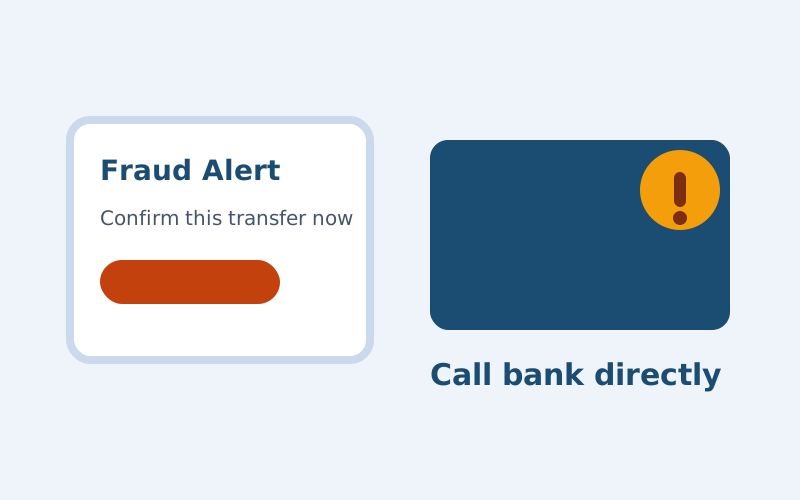
Fake bank alerts mimic transaction warnings and ask you to confirm account details. The attacker wants enough data to perform account takeover or card fraud.
How it works
- You get a text or call about a suspicious transfer.
- The attacker asks you to verify identity urgently.
- You provide card details, one-time codes, or app approvals.
- The attacker completes real transactions using your confirmation.
Why people fall for it
- Bank fraud fear creates immediate emotional pressure.
- Caller ID and message templates can be spoofed.
- People are trained to respond quickly to fraud alerts.
Warning signs
- Requests for full PIN, full card number, or one-time code.
- Pressure to keep the call confidential.
- Links in messages that bypass official banking apps.
- Unusual urgency combined with threats of account closure.
Example scenario
A caller claiming to be fraud prevention says your card is under attack and asks you to read back a verification code. That code is actually authorizing a transfer.
What to do if it happens
- Hang up and call your bank using the number on your card.
- Lock cards and review recent transactions.
- Reset banking password and check linked devices.
- Ask the bank to add a note for suspected social engineering.
How to reduce risk next time
- Never share one-time codes by phone.
- Use your bank app for alerts instead of acting from SMS links.
- Set transaction limits and real-time push notifications.
Quick reminder: You do not need proof that something is fake before you pause. One credible red flag is enough to stop and verify.